Showing posts with label horse. Show all posts

Thursday, March 5

Moody Mavora & Snowy Garston

Catch-up (early October 2019)

From the DOC camp at Cascade Creek on the Milford Road we returned to the NZMCA Park at Te Anau for a few days. After a week out of range, it was good to have cell phone & internet reception again before we headed to our next destination Mavora Lakes- one of our favourite South Island destinations- which is also out of range. 


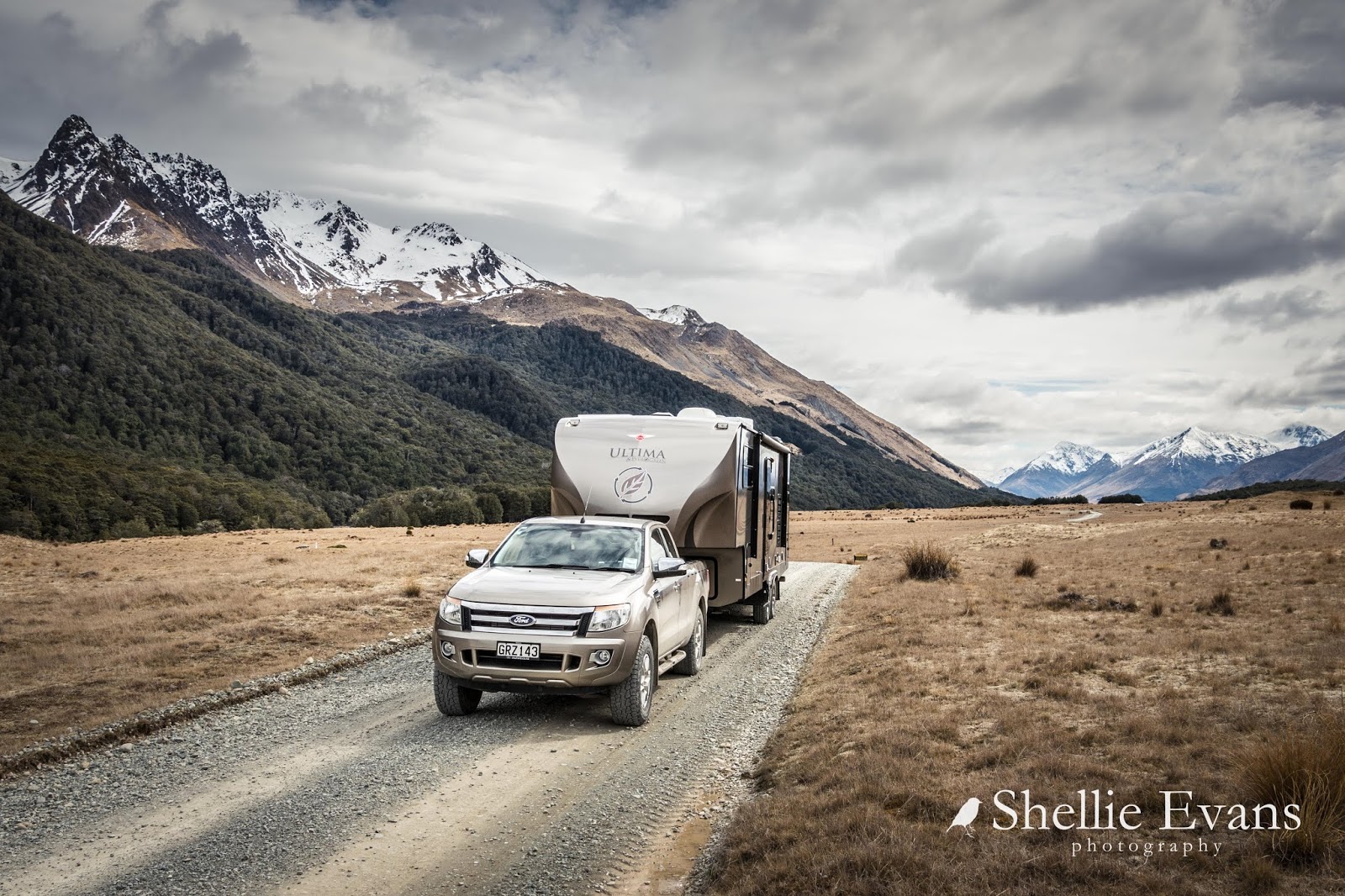
The road to the lakes leaves the main highway about halfway between Te Anau & Mossburn and from there, there's 'just' 34kms of gravel to travel until you reach the lakes turnoff which is then followed by another 8kms of gravel to the lakes; past South Mavora and onto North Mavora Lake.


For the first 15kms or so we travel in an unseen grader's freshly scraped track. We not-so-quietly curse as clouds of dry dust billow out behind us. Sometimes you just can't win; another couple of days and the dust would have settled and the road would have been silky smooth. I guess dust is better than being rattled to death by the corrugations although we have them to contend with for the last half of the journey.

Never mind, our favourite camping spot is free which isn't really a surprise, only the hardy (or crazy) camp at the lakes at the tail end of winter when the weather swings between bitterly cold & freezing cold.   

North Mavora Lake & Mt Cerberus
That would be hardy people, crazy people or hardy crazy hunter people. There's a hunter's camp up the back of the plateau, tucked into and sheltered by the thick bush. There are a couple of pig dogs in a kennel beside a horse float and down in the horse paddock I can see two horses. 


As soon as they spot me, they gallop over to the fence for a chat & a pat and then follow me along the fence line hoping I have something tasty for them. I don't, there's just dry grass and more dry grass.   


I'm keen to cross the swingbridge and check out the bush for Robins/Toutouwai & Rifleman/Titiponamu...


...but all I manage to find is one lonely robin who watches me expectantly, hoping I'm going to scrape some leaf litter for him. Of course I oblige.


It really was bitterly cold. As night closes in, snow starts to fall and David is not impressed. He's turning into a fair weather fisherman. The snow doesn't amount to much and is gone by dawn. Thank God for our diesel heaters, we're kept toasty warm inside.


The next day I walk up to the plateau behind and disappear into the bush...


...there are a few more Robins up here but still no sign of any riflemen. In fact the bush is very quiet, perhaps it's just too cold for them and they've moved deeper into the bush seeking shelter.


I break apart a rotten log and several birds are very keen to see what I've unearthed. Although not so keen to share as they chase each other about trying to keep the spoils for themselves.


Several more 'crazy' people have arrived overnight, one parked up in the wide expanse of tussock on the lake shore below Mt Cerberus...


...and the other sheltering in the trees near the fire pits. 


David has been reluctant to get the inflatable boat out, it has been very cold & windy, and the forecast is for more wind and heavy snow. We'd also had some unsettling news from family on the way in that had us distracted and with no cellphone reception, we'd started to worry that we really should be in range. 


So when we woke the next morning, and with the weather no better, we made the decision to head on out.  

We'll leave Mavora Lakes for the summer this time. 

South Mavora Lake & the road out
We decided to head to the NZMCA Lowburn Park at Cromwell, somewhere where we could settle for a few days and re-plan our next few weeks. We needed to stay around the lower half of the South Island in case our Southland family needed us to head back to Winton to look after the house & cat if they were suddenly called away.

On the way to Cromwell we stopped for a night at one of our favourite (and 'secret') freedom camping sites near Garston.

Brightwater & Castle Hill, Garston
Although we missed the 'Closed due to Lambing' sign on the way in, seeing it on the passenger side of the road the next morning on our way out. Oops! We'd both been reading the trout fishery sign on the driver's side instead.  We also didn't see any sheep until the next morning, they must have been hiding under the willows at the far end of the paddock.


But we did see the neighbours walking their goats. The goats were having a great time too, snatching mouthfuls of grass, running to catch up, kicking up their feet and racing ahead of the others. 


It was once again bitterly cold overnight, our diesel heaters working overtime until we went to bed. We very rarely need to leave them on overnight due to the van's insulation and our winter bedding.

Sometime during the early hours of the morning I heard the familiar gentle splatter of snow on the roof. I silently hoped we'd be snowed in for a few days but on opening the door the next morning there was just a thin layer covering the ground. 


Never mind, it was still a wonderful sight and a winter wonderland 'Out There'. I love waking to snow, being 'johnny-on-the-spot' and able to step outside in my dressing gown & gumboots to take photos, all within 5 minutes of getting out of bed.


The Mataura River had turned a dirty brown, rain has obviously fallen in the back country.


Here's the stock bridge the afternoon before the snow fall (this bridge is my favourite piece of farm equipment in all of New Zealand) 


Thick cloud gave way to blue sky...


... and the snow started to disappear before my eyes.


And by the time we were ready to pull out the snow had gone and dark clouds had rolled back in.


Thursday, May 17

A Lighthouse & A Big Tree- East Cape; Part 2

Catch-up

Continuing on from Part 1

Once we moved the gathering of horses on from the entrance to the lighthouse walk, it was head down bum up as we set off at a steady pace...


  ...to climb the 800 steps to East Cape Lighthouse. Someone has helpfully carved our progress into the steps; '150' (Really? Feels more like 250), 'There's 301 to go' (I've lost count by now and also read it as, I've done 301 steps and still have 500 to go. Bloody hell!) and finally '800, you did it! (thankyou kind person for your encouragement!). We pass fellow RVers, Angelique, Ken & Louell on their way down- they're staying at Moreporks Nest as well. David plods on, one foot after the other, steady as she goes...


...until we finally arrive at the top. The lighthouse is a popular attraction, many tourists make the pilgrimage to the top to be one of the first in the world to see the new day's sun rise over the eastern horizon.


The East Coast Lighthouse- 14 metres high, 154 metres from sea level and fully automated in 1985.


The views from the top are magnificent; looking south along the coast towards Gisborne...


...east towards East Island (imagine living on that tiny rock as the lighthouse keepers family did in the early days)...


...and west over farmland, with the lighthouse carpark and old buildings in the centre bottom of the shot.

The cloud formation provides some great leading lines for my photos.


We were disappointed to see how rundown the reserve around the lighthouse had become since our visit in 2011. The information panels that once told about the wildlife and East Island had been smashed along with a nearby seat. Rubbish had also been thrown in the bush and over the edge. Idle hands while people wait for the sunrise perhaps?


We headed back down to the carpark, passing a several groups of people coming up the stairs. At the bottom, a large group of Chinese tourists are talking excitedly to some of the horses who are standing by the track. A couple of the children are holding handfuls of grass and they ask me if they are allowed to feed the horses. I show the children how to hold their hands flat to feed them and left them having their photos taken. I also warn them not to go behind or try to touch the foals. I bet they decided that feeding the horses was the best experience that day!


We head back to Te Araroa, stopping to have a late lunch over looking the sea. There are a number of old derelict houses along the coast road, the one on the right doesn't looked to have changed at all in the 7 years since our last visit.


Just to prove that the signs are there for a reason...


...and that cattle, like the horses in the previous blog post, like to cool off on the sand too.


Back in Te Araroa we check out Te Waha-o-Rerekohu, New Zealand's oldest and largest pohutukawa tree which stands in the corner of the local school grounds. Te Ara, The Encyclopedia of NZ says the tree is thought to be around 600 years old but the sign says 350yo so who's right is anyone's guess. Still, it's a pretty impressive tree, its more than 21 meters tall and 40 meters in diameter at its widest point (click on the photo to read the sign)


This should give you some perspective, it's a massive tree!


The day wouldn't be complete without another horse encounter; we come across this little fellow just down the road from Moreporks Nest, he was happily wandering down the middle of the road but when he spotted us coming he made a break for it and trotted off down a driveway.


Friday, November 10

Molesworth- Part 2; Cob Cottage Camp

Real-time

Continued on from Part 1

So that's where it got it's name... 


The DOC Cob Cottage camp is in a large paddock that includes the cottage. It's a basic camp with a couple of very clean long-drop loos and a water tap.  With the camp to ourselves we had the choice of sites.


We parked up beside the stream, back off the dusty road and away from the willows; perfect!


According to the Station cook (who visited a couple of times to give one of the farm dogs a swim), the Molesworth Stream is a very popular place to cool off in the summer. There's a nice deep pool called the 'spa pool' at the bottom of the waterfall (off to the left here). It's also the home of a few eels, while I was standing in the water on the edge with my tripod set up to take this shot one came along to check out who was disturbing the peace! Luckily I had my gumboots on and not my jandals!


There's also a reason to visit Molesworth in autumn too, across the stream and along the steep banks of the stream are dozens of wild gooseberry bushes! They have spread far and wide through the high country, I saw plenty of bushes along the Acheron River and Molesworth Road too. Most probably brought in by early settlers and spread by birds and hungry horsemen! 


The historic Molesworth Cob Cottage was built by a runholder as a single room hut in 1866 and extended several years later when it became the homestead for the station until the current homestead was built in 1885. For a long period the cottage provided accommodation for musterers and rabbiters, DOC now look after and maintain the cottage.


There are numerous information boards on Molesworth Station inside the two room cottage along with a few old furnishings. And several families of starlings, who frightened the life out of me as I opened the door into the darkened room- they made a dash for it, flapping and squawking, like a scene from Alfred Hitchcock's 'The Birds'!


There's a short walk up the hill behind the cottage, through the 'kissing gate' and across a paddock...


...which takes the walker to a viewpoint out over today's farm settlement nestled in a shallow basin below Mt Chisholm (1518m). Mt Chisholm was named in honour of the 1942-78 farm manager Bill Chisholm whose foresight and ability helped turn Molesworth from a severely eroded sheep run into a profitable and sustainable pastoral beef farm. The nearby Rachel Range is named after his wife.


This is as close as you can get to the historic farm buildings of Molesworth Station; it's working farm and the manager and farm workers need their privacy. Molesworth Homestead is on the far left, the cooks house is on the right at the rear (don't forget to click the photos to enlarge- use your back arrow to return to the blog).


The information board names the various buildings but you need to 'twist' it to the left 90% to place the buildings correctly. Some are hidden behind the mass of leafy willows above.


The farm's stockyards are on the edge of the camp...


...and as the cattle and calves had recently been mustered in for something major- they were in the yard paddocks for most of the weekend- cattle, farm workers and dogs passed by often. 

I was also lucky enough to take a ride with the Camp Host around to one of the farm cottages- called the Molesworth Ministerial- which is in the settlement, it's used for accommodation for DOC employees that are working on the Station. So I was able to take a few shots from within the compound down below.


The view back to camp from the lookout is spectacular on such a blue sky day; you can see the 5th-wheeler tucked in behind the poplars in the background. David is trying to track a number of skylark's that we flushed while walking up the track. Some of them are singing to us from way up above, others are back on the ground weaving their way through the grass trying to distract him from looking for their nests. 


Two beautiful horses spotted me from down below and came galloping around the edge of the hill looking for us as we disappeared back down the track. They were in great condition although they both needed a bit of mane work, it hung over their faces and down their necks when they stopped to for a pat. 


There is a DOC Camp at both ends of the Molesworth Road; Cob Cottage & Acheron House, and they are manned by camp hosts right through the season. Many of the hosts are RV owners and NZMCA members and they either stay in the Ranger cabins or in their own vans. The cabin is beside the gate onto the Molesworth Road; they keep an eye on the camp, vehicles coming and going, clean the loos, answer questions and lock the gates each evening. The road is open from 7am to 7pm.


It was on our first night (Friday) in camp that we learnt the road was closed until Monday, which was a bit of a shock. Of course we knew the road was closed at the Clarence bridge washout but we were only intending to drive to there and then return to camp. I had phoned the DOC office in Blenheim to double check before we had left too.  And while the person did tell me that there might be a bit of traffic on the road because they were undertaking a 1080 poison drop over part of the Station for Bovine TB possum control, they didn't say the road would actually be closed. 


It was just as well that we had no time constraints, we had planned to have a rest day on the Saturday after the drive in, then do the Molesworth Road on Sunday and head out a day or two later. So waiting one more day was going to be neither here nor there, although I was anxious the stunning weather we were having was going to break.

A few trucks and other vehicles passed through camp each day while helicopters flew overhead at daybreak heading for the drop zone. On Sunday afternoon once the drop had finished at least 25-30 vehicles headed back past us. We saw all manner of vehicles and trailers, large & small carrying so much equipment including 20 or so large hoppers and 2-3 small 'dozers. It was hard to believe there was so many people and so much activity happening in such a isolated area. 

As it turned out we couldn't drive the road until Tuesday because they had to walk a 6km section of the road that was within the drop zone, checking for and removing any bait that had landed on the road. The road opened about 2pm but it was far too late to attempt the return drive so we waited until the next day. 


In the meantime I made the most of fantastic scenery surrounding the camp...


I drove back up the road for the photo above and on the way spotted a couple of hares up to no good. One spotted me and hopped off (literally) before they both hopped away to hide behind some bare brambles. Realising that I could still see them they disappeared over the bank behind the fence.


I crept up slowly and looked over the edge...it didn't take this one long to decide he was outta there, the other one had already disappeared. We must have seen at least two dozen hares during our road time in the high country yet we only spotted two baby rabbits in all the time we were there. 


One morning I looked out and there were two big bunnies feeding on the grass outside the van, they shot off like scalded cats when they spotted me. I wondered about their babies, I've never see a baby hare (known as a leveret for the first year). Unlike rabbits, baby hares can run within a few minutes of being born so I think they must hide in the undergrowth until they are weaned. I do find them quite strange creatures, they just look too big for their bodies, wise beyond their years and cute but not really, if that makes sense. 


Here are some more photos from around camp, these ones were just down the Molesworth Road a few kilometres.

A hidden pond near the river
A much smaller Awatere River flows through Molesworth; you'll recall from the first blog, this is the river we followed all the way up the Awatere Valley (or is that down... the river flows down which is north but the valley goes up which is south...doesn't make sense).


The Molesworth Station airfield and buildings are across the river from the camp. The snow-capped mountains are part of the Inland Kaikoura Range.


I climbed the hill behind the camp and followed the fence along...


 ...to a bluff high above the river, looking across the airfield to the mountains behind.


I sat there for a long while soaking up the magnificent views, and the peace and solitude. 


David filled in some of his downtime by waterblasting the Ranger, he was very pleased with himself that he was able to blast away much of the dust that had coated the paintwork and filled every nook and cranny on the way in. He didn't mind that it was going to be coated again just as quick; at least he knew the first layers were gone. 

With the water blaster plugged into the generator, a small water pump running off the dinghy pump battery and the hose submerged in the stream he was able to give the ute a good going over without using too many precious resources.


As is often the case in the high country, the days are hot and sunny with clear blue skies, then as evening approaches the storm clouds roll in threatening thunder and rain...


...which also means there's a chance of a great sunset.


Then night falls, the wind drops, the clouds depart and millions of stars come out to play...


...and so did Shellie. I had the perfect location to do some night shots and have a bit of fun and games with light painting. 


Light painting is a photographic technique where shots are made by moving a hand-held light source (usually a torch) over or around the subject while taking a long exposure photograph. It's not as easy as it sounds and takes quite a bit of trial and error to get photos you're happy with.


The ghost of Molesworth Cottage- the trick is to not capture a shadow of yourself in the exposure, to get in there fast and back before the your outline has been captured; 


It also helps if your torch doesn't have a mind of its own and decides to switch modes to red flashing or pulsing in the middle of a shot. 


I also captured  a number of shooting stars.


As per usual, when I'm out shooting I lose all sense of time (it often gets me into trouble). At least this time David only had to look outside to find me....if he'd been awake. I went out just after 9pm and was more than a little surprised to find it was 1am when I stepped back in the door!


To be continued... (and the one you've been waiting for, The Road) Part 3